Exploring Nutritional Principles and Body Composition Insights
Understanding the science of nutrition, energy balance, and holistic well-being through evidence-based information.
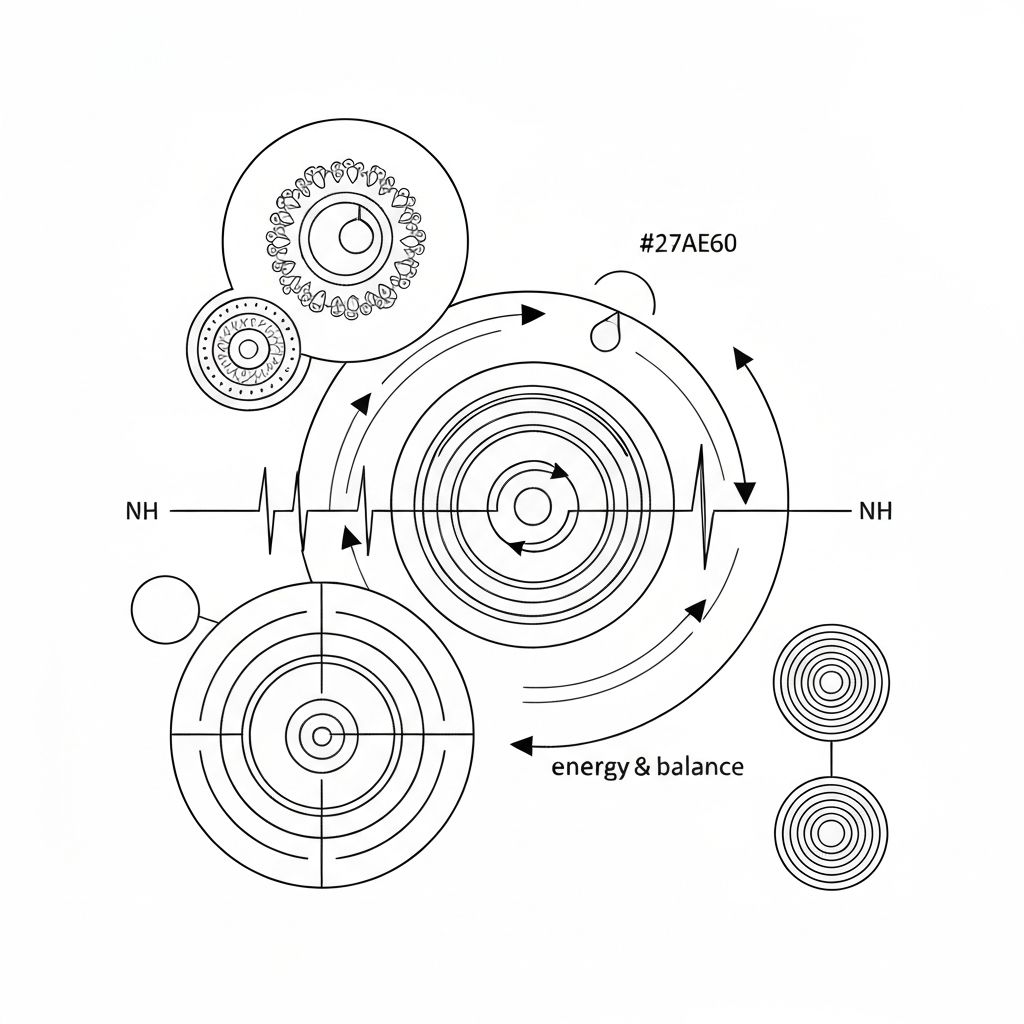
Understanding Energy Balance: A Foundational Insight
Energy balance is a fundamental biological principle that describes the relationship between the energy you consume through food and the energy your body expends through daily activities and bodily functions. This concept forms the foundation of understanding how our bodies manage fuel and maintain equilibrium.
The body processes and stores energy in complex ways. When we consume food, our digestive system breaks down macronutrients, which are then converted into forms of energy the body can utilize. Simultaneously, our bodies expend energy through basal metabolism (the energy required for basic functions), physical activity, and food processing itself.
- Caloric Intake: Energy consumed through food and beverages
- Energy Expenditure: Energy used by the body for maintenance and activity
- Energy Storage: When intake exceeds expenditure, excess energy is stored
- Biological Mechanisms: Complex hormonal and metabolic systems regulate this balance
The Diversity of Macronutrients: Fueling the Body
Macronutrients—carbohydrates, proteins, and fats—are the primary compounds your body uses for energy and essential functions. Each macronutrient plays distinct roles in maintaining optimal bodily function, and understanding their purposes can help contextualize dietary discussions.
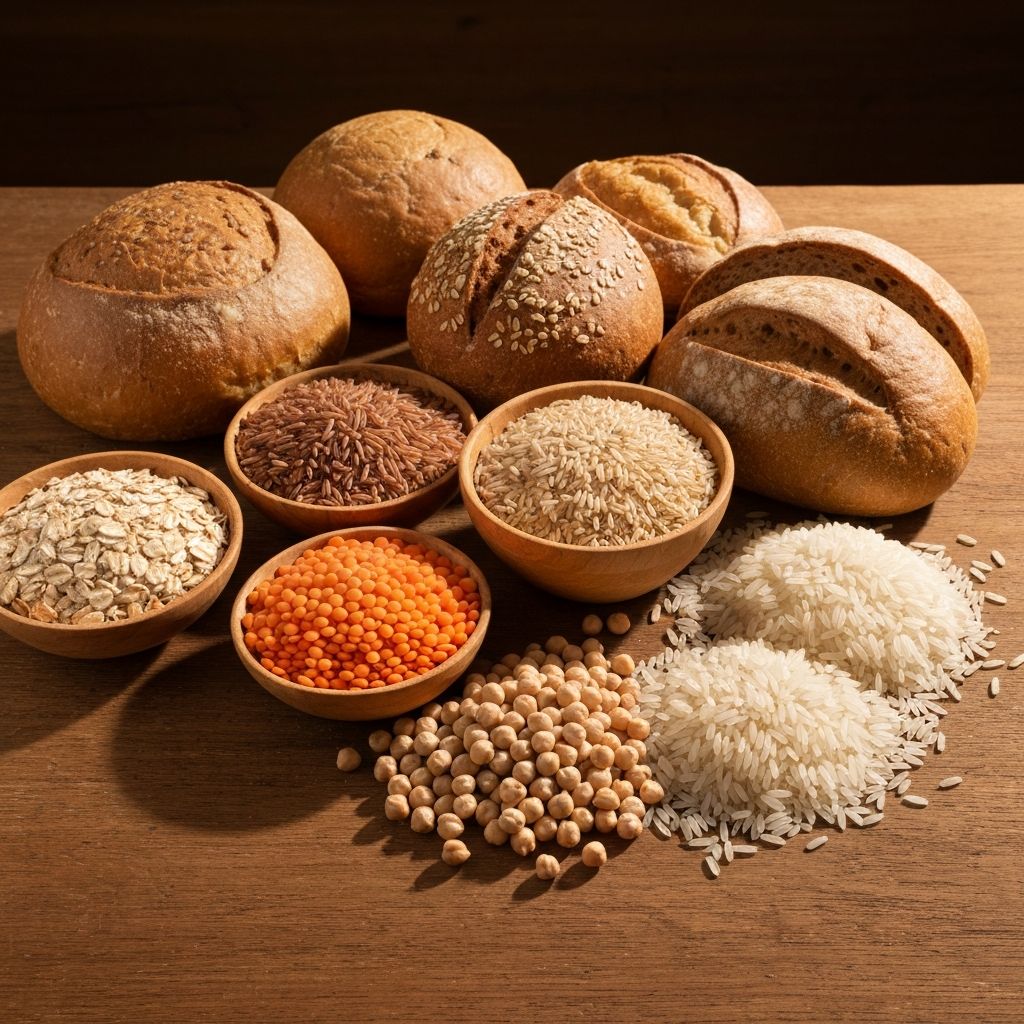
Carbohydrates
The body's primary source of quick energy. Carbohydrates are broken down into glucose, which fuels the brain and muscles. Whole grain varieties provide sustained energy and dietary fiber.
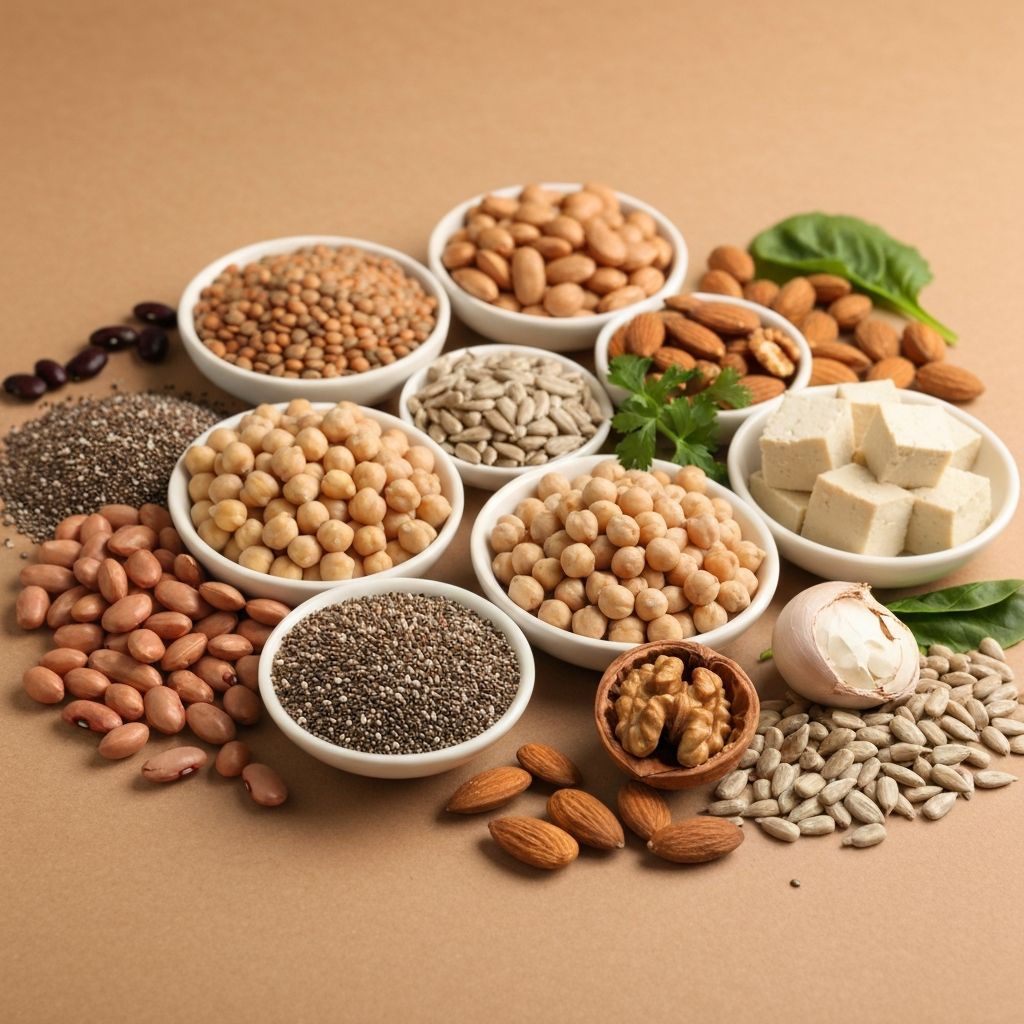
Proteins
Essential for building and repairing body tissues, producing enzymes and hormones, and supporting immune function. Proteins are composed of amino acids, some of which the body must obtain through food.
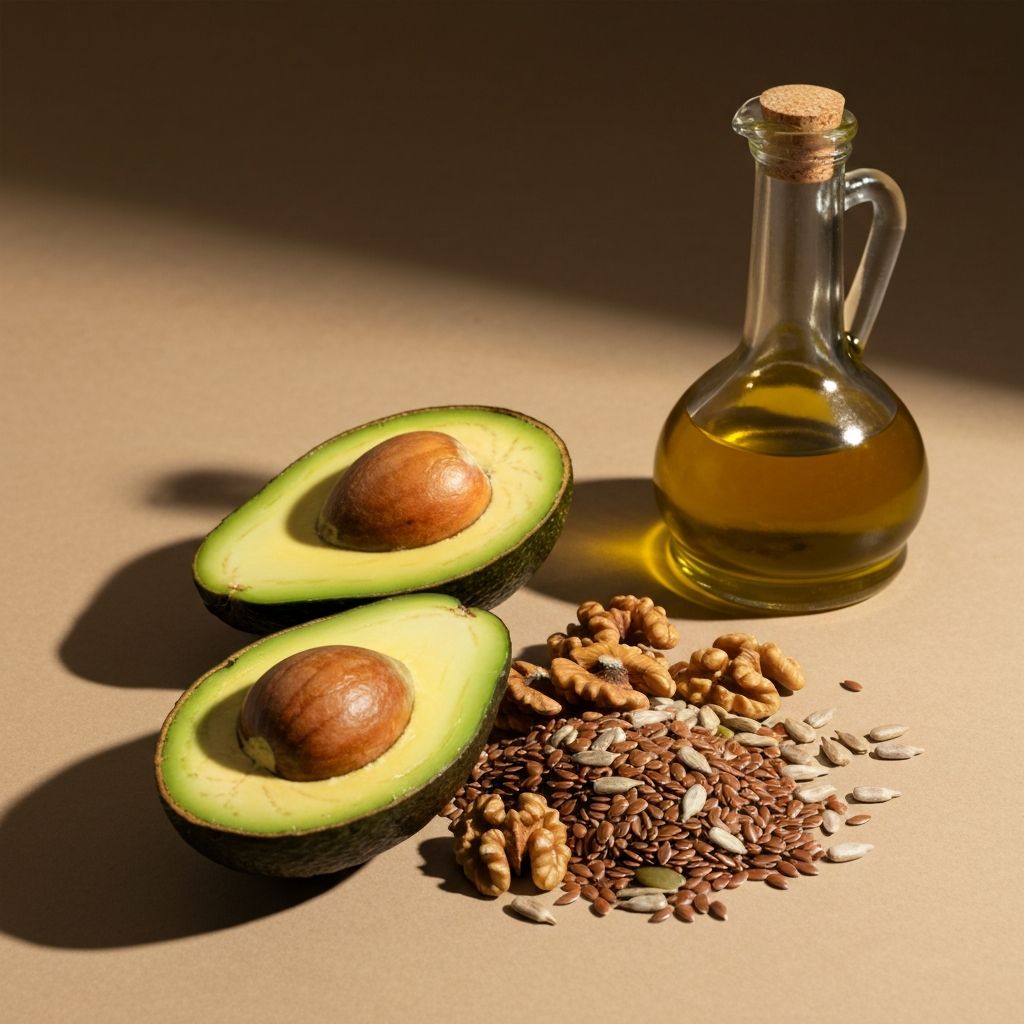
Fats
Vital for hormone production, nutrient absorption, and nervous system function. Different types of fats have different effects on the body, and all play roles in maintaining cellular health.
The Role of Physical Activity in Holistic Well-being
Physical movement contributes significantly to overall health and well-being. Activity encompasses a wide spectrum—from gentle, daily movements like walking and stretching to more structured exercise. The emphasis is on movement and its varied benefits rather than intensity or performance metrics.
Regular physical activity supports cardiovascular health, helps maintain muscle mass, enhances bone density, improves mood, and contributes to metabolic function. The key insight is that any movement contributes to overall wellness, and the most sustainable approach is finding activities that are enjoyable and realistic for individual circumstances.

Walking
Accessible activity for cardiovascular health and daily movement.

Stretching
Supports flexibility and body awareness through gentle movement.

Gardening
Combines physical activity with connection to nature and food.
Historical Perspectives on Dietary Practices
Human dietary practices have evolved dramatically over time and vary widely across cultures. Examining this history provides context for understanding why different dietary approaches exist and why cultural food traditions carry both nutritional and social significance.
Ancient Agricultural Era
The shift from hunting and gathering to agriculture fundamentally changed human diets, introducing cultivated grains and enabling settled communities. Different regions developed distinct agricultural traditions based on local climates and resources.
Medieval Period
Food availability was highly determined by season and social class. Preservation techniques like salting, smoking, and fermentation became essential for surviving seasons without fresh produce.
Industrial Revolution
Technological advances in food production, transportation, and preservation transformed dietary patterns. Processed foods became available to wider populations, changing the nature of food availability and consumption.
Modern Era
Contemporary diets are shaped by global food systems, technological innovation, cultural exchange, and scientific understanding of nutrition. This diversity creates both unprecedented access and complex navigation of food choices.
Common Misconceptions in Nutritional Understanding
Nutritional science is complex, and certain popular beliefs persist despite being misleading or oversimplified. Clarifying these misconceptions can support more informed understanding of nutritional principles.
- ✓ All calories are equal: While caloric content matters, the nutritional composition and how different foods are processed by the body vary significantly.
- ✓ Dietary fat makes you gain weight: Fat is essential for health; the relationship between fat consumption and weight is more nuanced than simple cause-and-effect.
- ✓ Carbohydrates are inherently harmful: Carbohydrates are a primary energy source; refined versus whole-grain varieties have different nutritional profiles.
- ✓ Skipping meals helps reduce intake: Skipping meals often leads to energy depletion and compensatory overeating, disrupting natural eating rhythms.
Navigating Food Labels: Understanding What You Eat
Food labels provide standardized information about the nutritional composition of packaged foods. Learning to interpret these labels empowers informed selection of foods and understanding what you're consuming.
Key Elements of a Food Label:
- Serving Size: The portion size upon which all nutritional information is based. Compare this to how much you actually consume.
- Macronutrients: Calories, proteins, carbohydrates, and fats. These are listed in grams and sometimes as percentages of daily values.
- Micronutrients: Vitamins and minerals like calcium, iron, and sodium, listed as percentages of daily recommended values.
- Ingredients List: Listed by weight in descending order. This reveals what comprises the product and can help identify added sugars or unfamiliar additives.
- Allergen Information: Clear declaration of common allergens, critical for people with food sensitivities.
Understanding these components allows for contextual evaluation of foods as part of a whole diet, rather than isolated decisions based on single nutrients.
Frequently Asked Questions
What is the difference between hunger and appetite?
Hunger is a physiological response to your body's need for fuel, signaled through hormones and the nervous system. Appetite is a psychological desire to eat, influenced by sensory cues, emotions, habits, and environmental factors. Understanding this distinction can help with recognizing your body's signals.
Are all dietary approaches equally suitable for everyone?
No. Individual nutritional needs vary based on age, activity level, health conditions, cultural background, preferences, and many other factors. What works well for one person may not suit another. This variability underscores the importance of personalized understanding rather than universal rules.
What role does hydration play in overall health?
Hydration is essential for every bodily function—from temperature regulation to nutrient transport and cognitive performance. While the commonly cited "8 glasses a day" rule is a simplification, adequate hydration is undeniably important. Needs vary based on activity level, climate, and individual physiology.
How can I make balanced meal choices?
Balanced meals typically include a source of protein, whole grains or other carbohydrates, healthy fats, and vegetables or fruits. This combination provides sustained energy and essential nutrients. Meal planning can support consistency, though flexibility and attention to your body's signals are equally important.
Continue Your Learning Journey
Explore in-depth articles and insights on various aspects of nutritional science, wellness, and body composition. Our blog provides detailed discussions on topics ranging from macronutrients to mindful eating practices.
Explore Further Insights